Pixel Art & Tessellations
Pixel Art
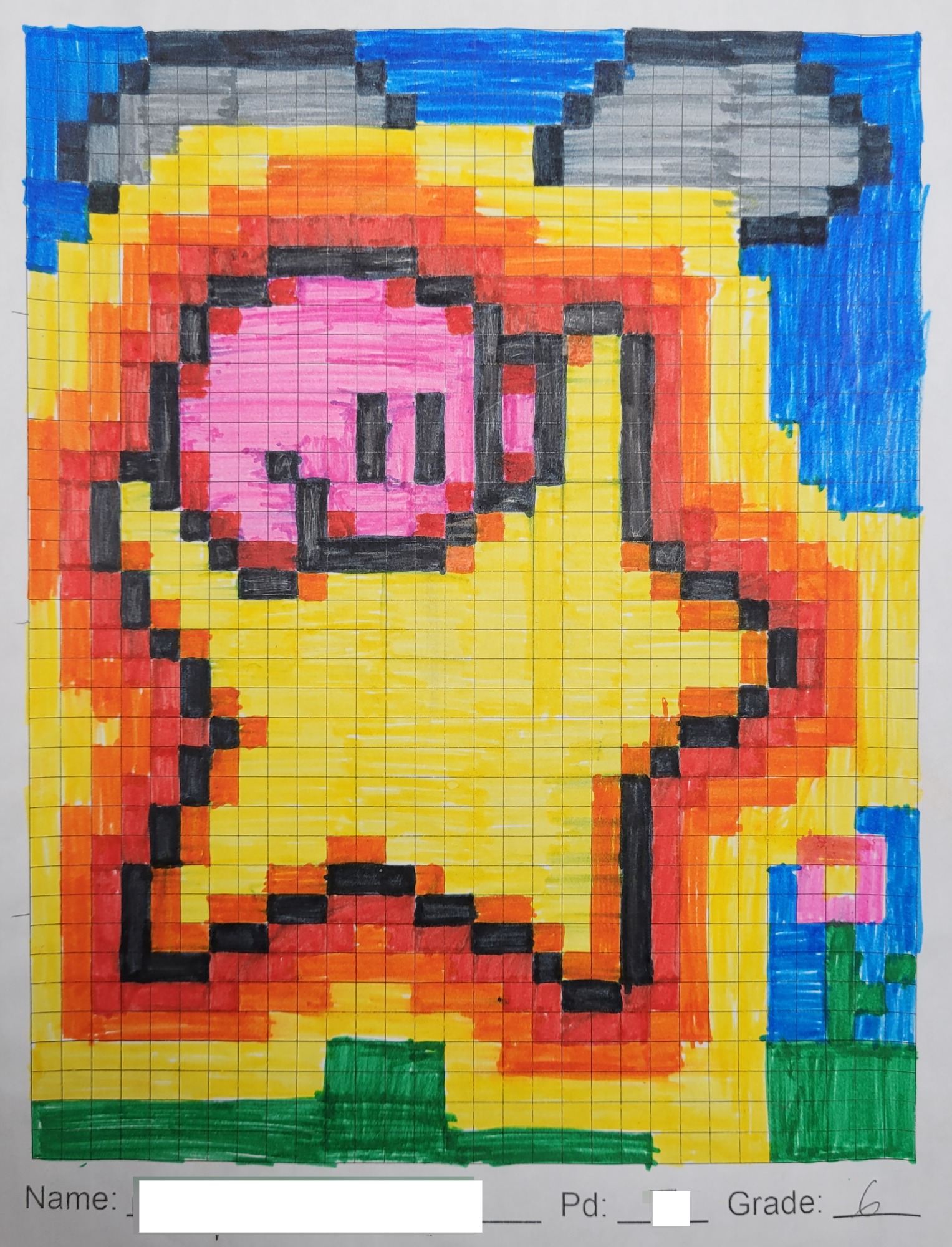
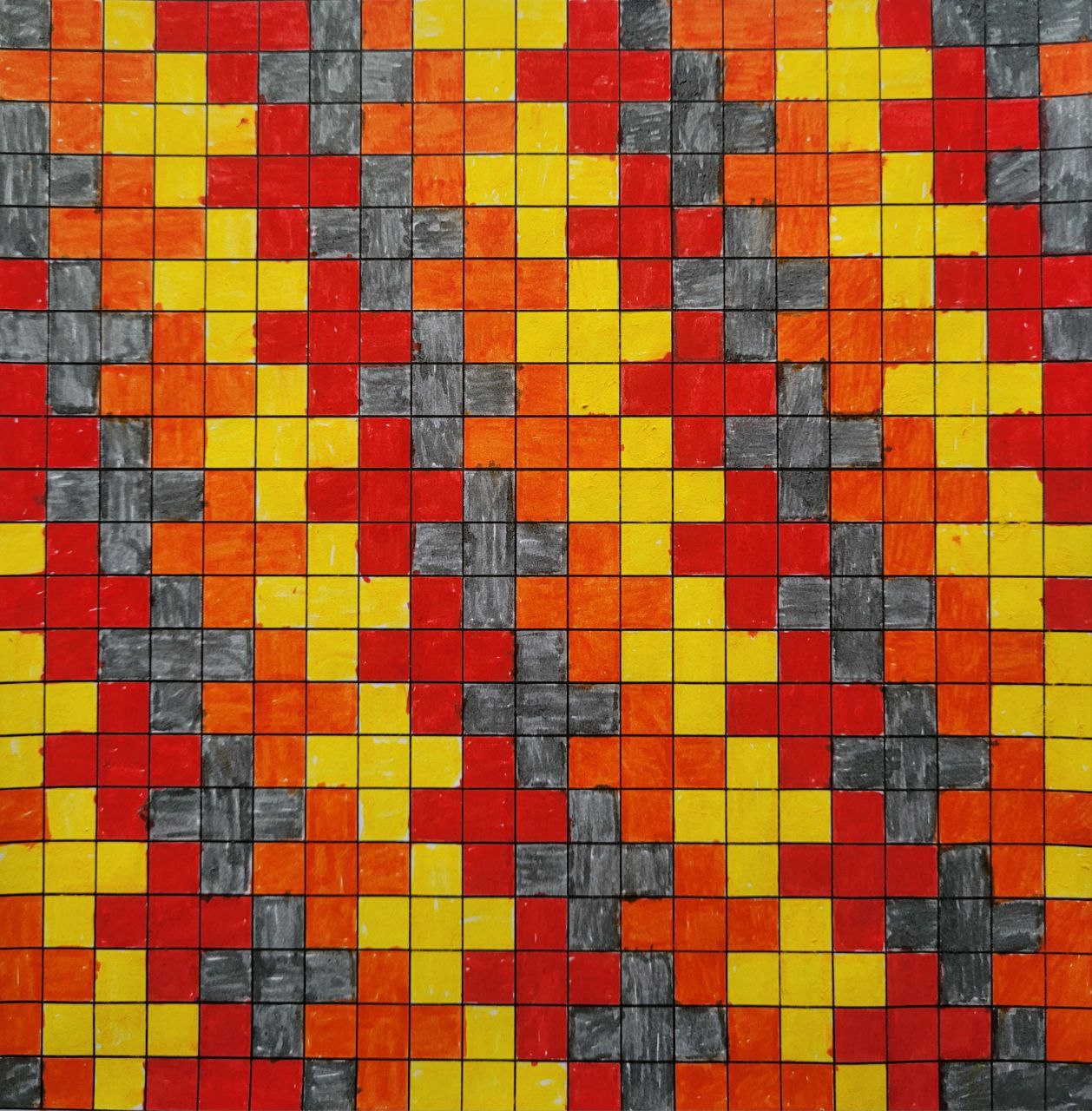
Students learned that a pixel is a small dot or square that makes up an image on a screen. Resolution refers to the number of pixels on a computer monitor or TV screen. Students learn about the origins of Pixel Art from classic video games and arcade games. Students are introduced to the anonymous French street artist, Invader, who is known for their ceramic tile mosaics modeled on pixelated art of 70’s and 80’s 8-bit video games. Students are provided with several references to choose from for their first pixel art. The references vary in difficulty and students may choose between large or small grid paper. Students are instructed to count and mark boxes as they sketch the outline of their image with pencil first before applying color. Students lastly create a background for their character or object. Students then create a second pixel art character, symbol, or object from imagination. This is an effective lesson for middle school because it connects digital art concepts, math and spatial reasoning through working within a grid system, and creative expression, all while tapping into students’ natural interests in video games and technology.
Tessellations
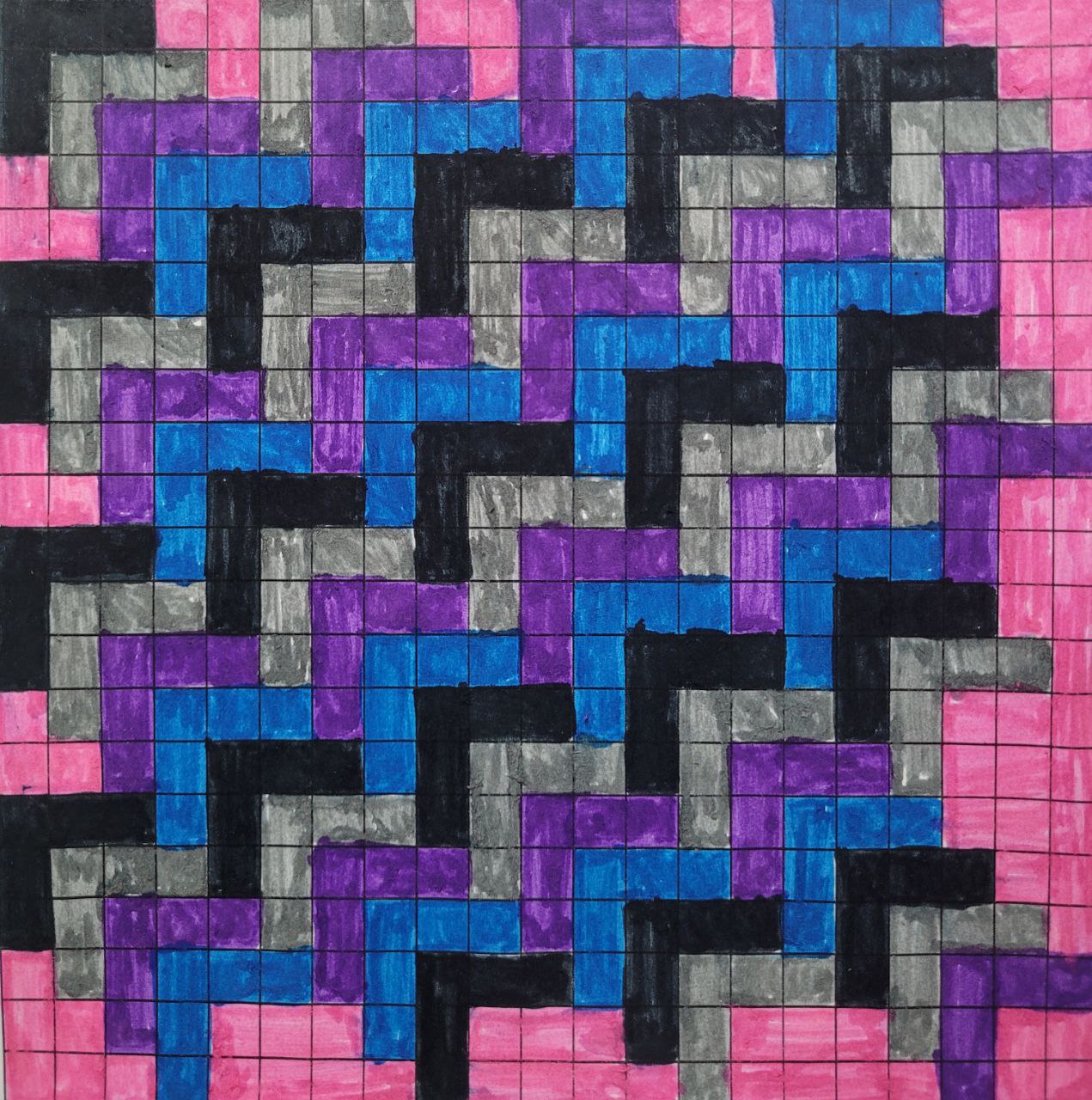
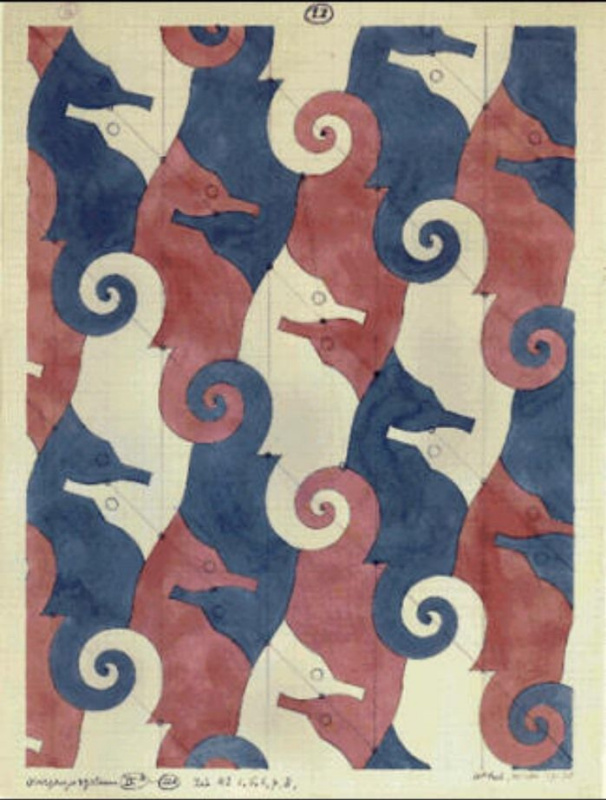
Students are introduced to tessellations through M.C. Escher’s work. They learn that tessellations are an arrangement of shapes that are closely fitted together in a repeated pattern without gaps or overlapping. Works explored include: Seahorse, Sky and Water 1, Flying Fish, Horseman, Lizard, and Pegasus. Students also discuss the mosaic tiling at Alhambra Palace in Spain. Students chose from 5 different shapes to tessellate and create a color pattern on grid paper. A reference sheet showing tessellations of each shape is provided. Colors are chosen by students.


Student Work Examples
Pixel Art 1
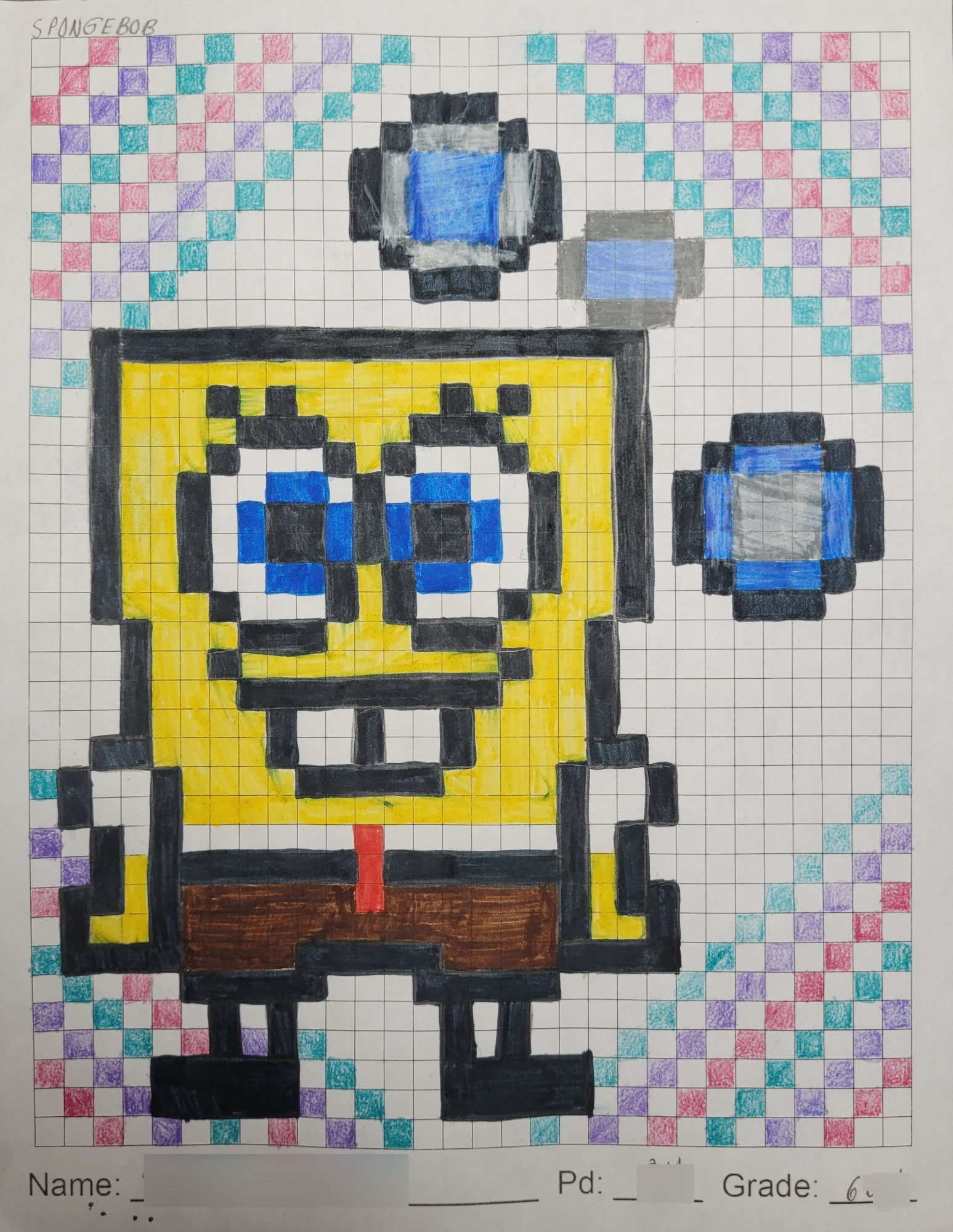
Pixel Art 2
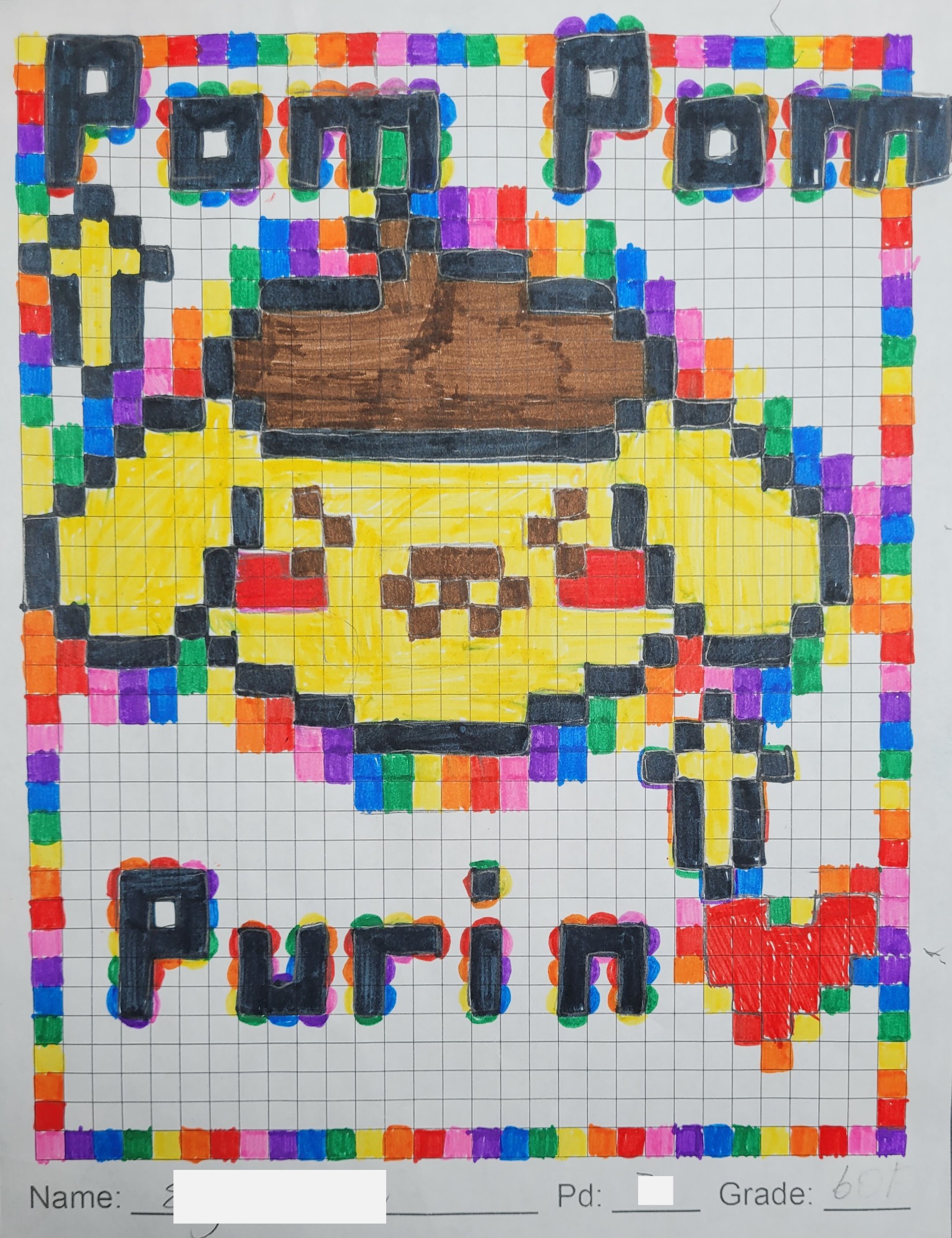
Pixel Art 3
Tessellation 1
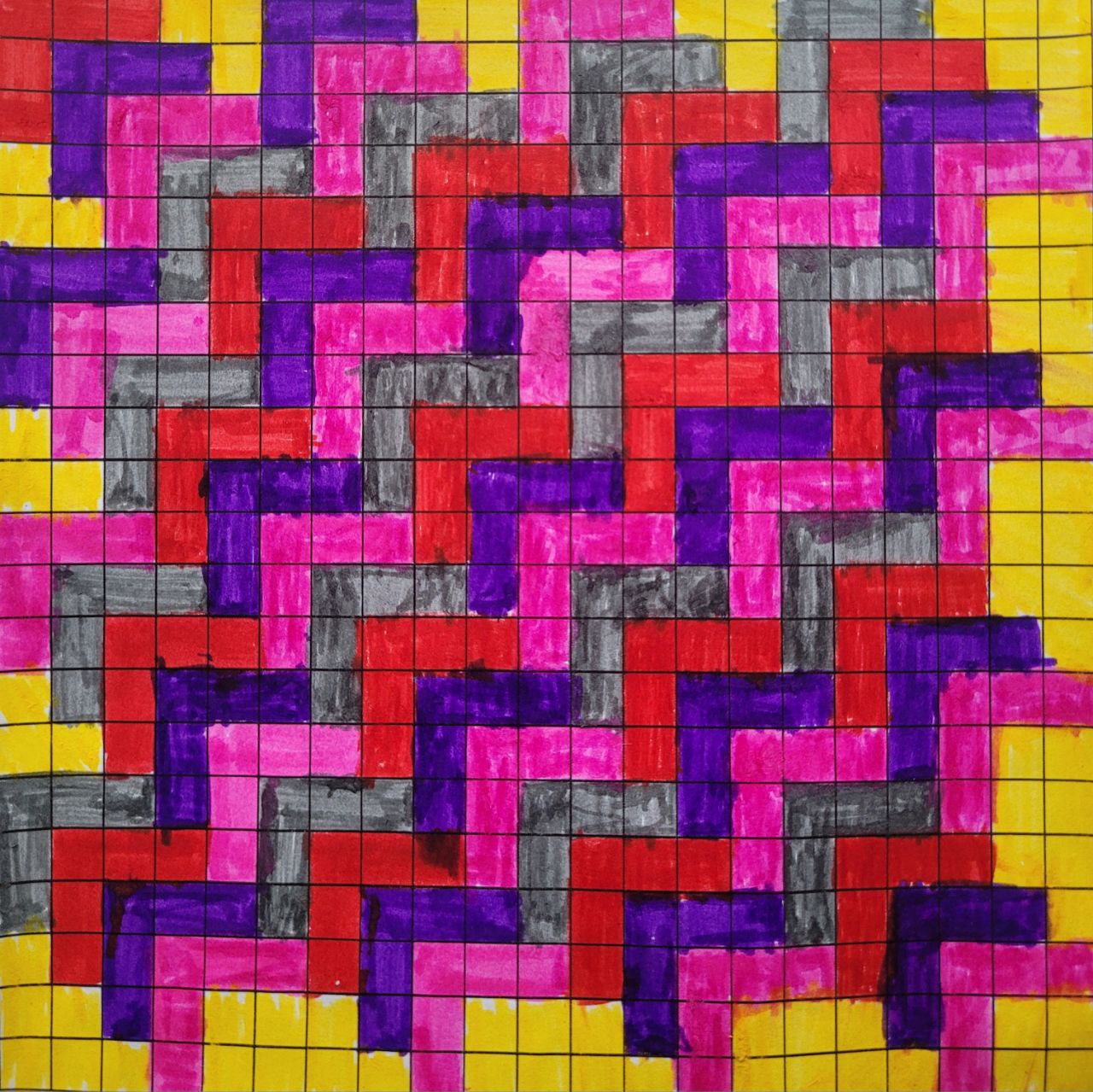
Tessellation 2
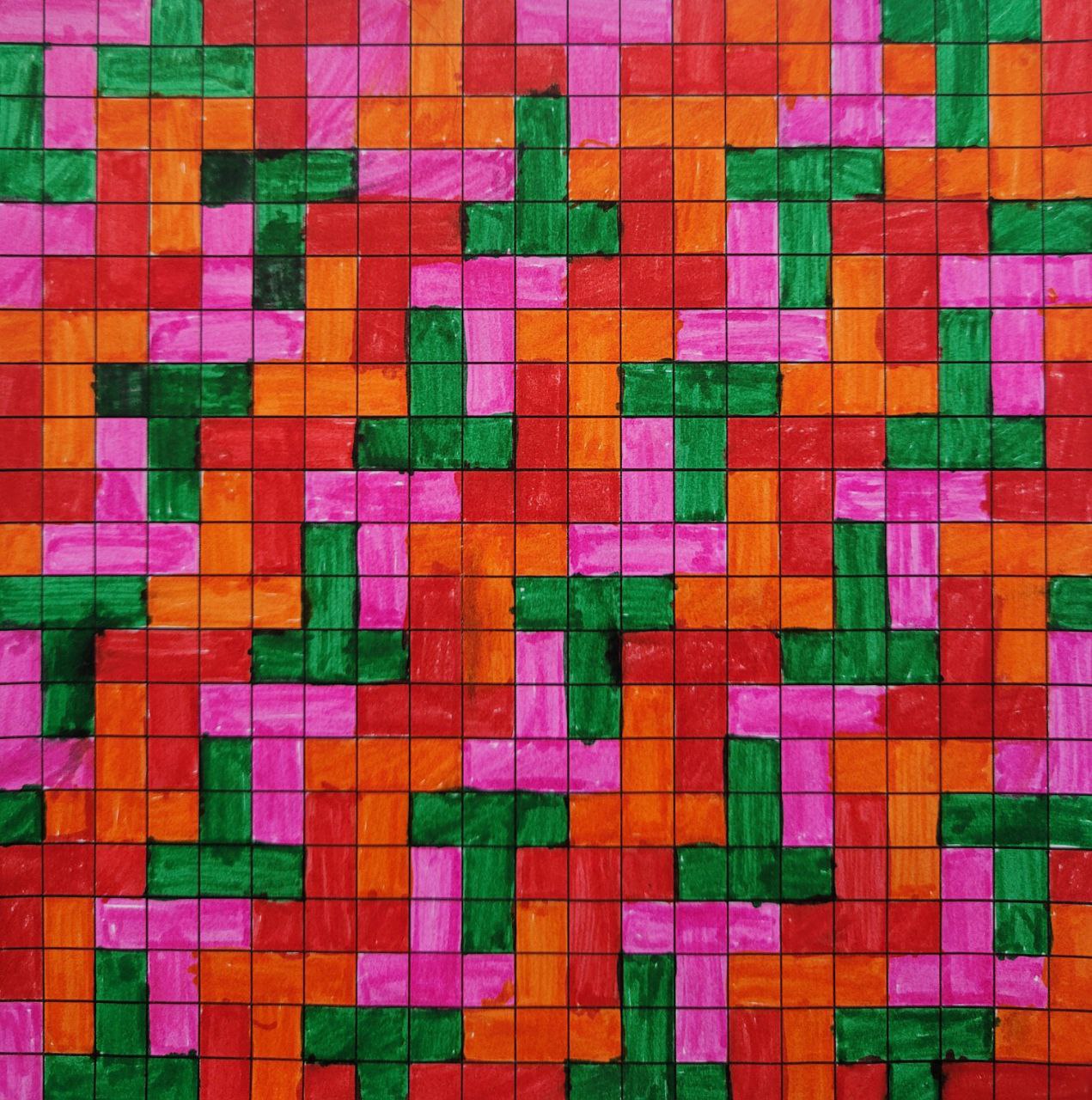
Tessellation 3
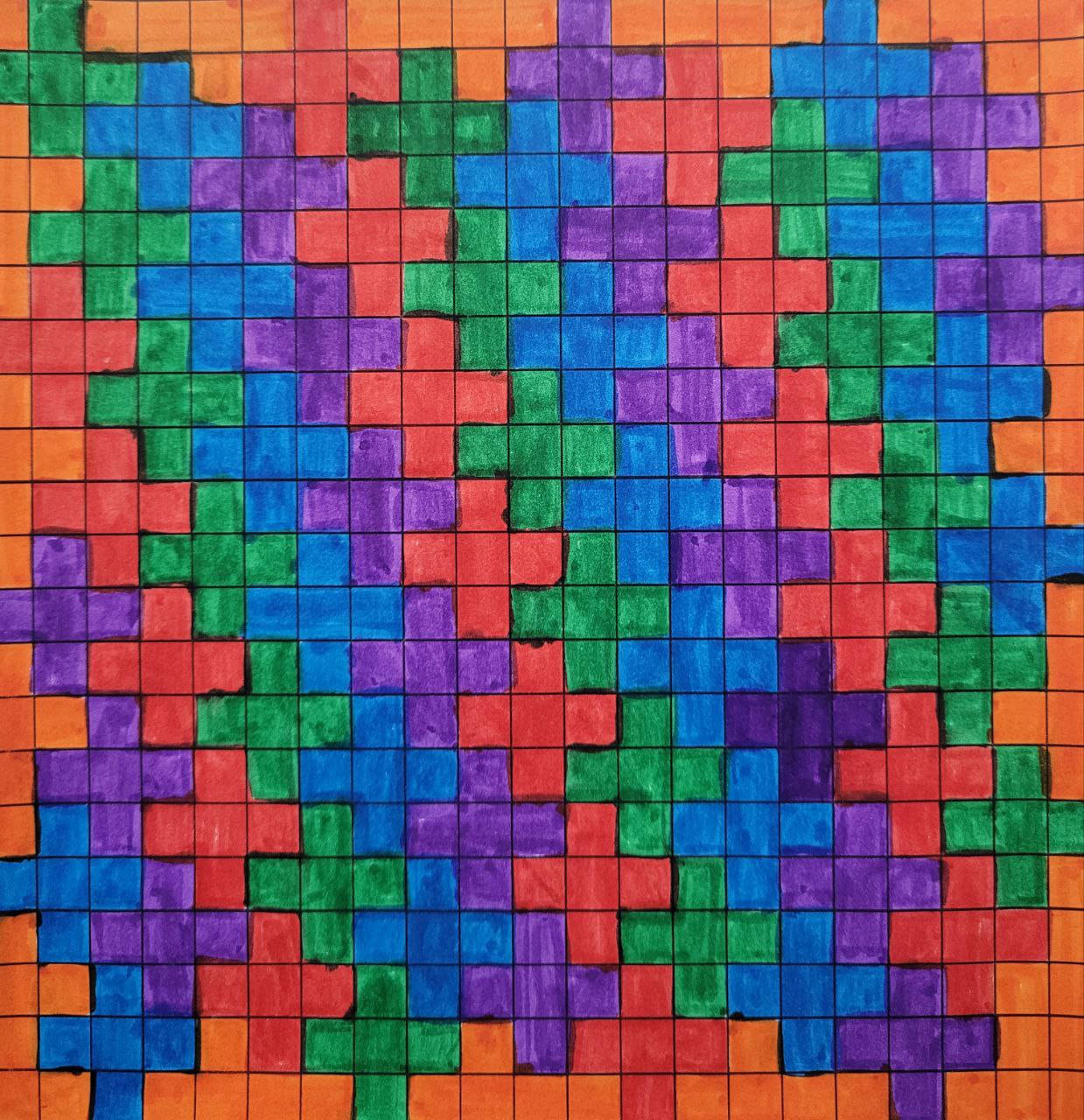
Tessellation 4